
Anúncios
What if you could keep your career and see the world at the same time? You wouldn’t have to copy anyone else’s Instagram feed.
This digital nomad tutorial is a practical starting point. It’s for anyone curious about remote work travel. You’ll get a clear guide that breaks down tools, routines, and choices.
Think of this as how to become a digital nomad with intention. Use social platforms like Instagram to research coworking spots and local meetups. Choose places that match your values and work needs.
Throughout this article, you’ll find actionable steps. These steps are for planning trips, building reliable systems, and protecting your wellbeing. The aim is sustainable freedom—more resilience, more control, and work that fits your life, not the other way around.
Understanding the digital nomad lifestyle and what to expect
Anúncios
The modern remote work lifestyle lets you work from anywhere. You just need a laptop and internet. It’s a chance to travel and keep earning money.
What the lifestyle means today
Today, remote workers, freelancers, and entrepreneurs travel and work. They visit cities like Lisbon and Medellín. Instagram shows their daily lives and work.
Anúncios
Your day might include working in the morning, exploring in the afternoon, and calls across time zones. Flexibility is key, but you need systems for work.
Benefits and common challenges
Many love the digital nomad lifestyle. It offers new cultures, savings, and adaptability. It also sharpens problem-solving and expands your network.
But, there are challenges. Internet can be spotty, time zones are tricky, and solo travel can be lonely. Plan for visas, healthcare, and housing.
Who it’s right for—questions to ask yourself
Before you start, think if it’s right for you. Can you handle change and deadlines? Do you need stable healthcare or internet?
Ask yourself these questions:
- Do you thrive on change and new environments?
- Can you self-manage deadlines and client communication?
- Are you comfortable with occasional loneliness and shifting routines?
- Does your work require high internet reliability or frequent in-person meetings?
| Aspect | Why it matters | How to assess |
|---|---|---|
| Connectivity | Supports video calls, uploads, and deadlines | Research local internet speeds, test co-working spaces, and keep a mobile hotspot |
| Cost of living | Impacts savings and lifestyle choices | Compare rent, food, and transport on Nomad List or official stats |
| Community | Helps reduce isolation and build collaboration | Check Instagram local hashtags, join Meetup groups, visit co-living spaces |
| Legal and health | Affects long-term stability and safety | Verify visa rules, health insurance options, and nearby hospitals |
| Work demands | Determines travel pace and routine needs | List client expectations, required uptime, and acceptable time-shift windows |
Choosing destinations and practical travel planning
Choosing where to work and live is key. Start by thinking about what matters most to you. This includes reliable internet, local amenities, weather, and community.
Use Instagram to find coworking spaces and read reviews on places to stay. Also, check the internet for digital nomads in real-time before you decide.
Researching connectivity, cost of living, and visas
First, check the internet speeds and backup plans. Look for coworking spaces with fast lines and read comments on connection reliability. Also, find out about local SIM plans and portable hotspots for working on the go.
Next, figure out the cost of living as a digital nomad. Compare prices for rent, food, healthcare, and coworking. Renting by the month can save money. Don’t forget to budget for unexpected costs and trips to explore new places.
Then, look into visa rules early. Countries like Portugal and Estonia offer nomad visas. Know the visa’s length, renewal rules, and if you need to register locally. Carry printed visa confirmations when traveling.
Popular hubs and emerging alternatives
Places like Bali, Chiang Mai, and Lisbon are popular for remote workers. They have active communities and many amenities. These spots often have coworking spaces, social events, and services for nomads.
But, places like Tbilisi and Medellín are becoming popular too. They offer lower costs and rich culture. These places might have fewer crowds and better deals. Choose a place that fits your work style and needs.
Booking and travel logistics
Use flight aggregators to find flexible tickets. Choose refundable fares or travel credits if your plans change. Book places to stay with clear Wi-Fi policies and easy cancellations. Monthly stays can save money.
Get international health insurance and coverage for your gear. Check what your policy covers for remote work equipment and telemedicine. Plan your time zones for client calls and set clear expectations before moving.
Before you leave, make a checklist. Include internet options, coworking contacts, visa paperwork, insurance, and a plan for fun like train trips. This balance helps keep work smooth and lets you enjoy your new city without surprises.
Setting up your work system: productivity, tools, and routine
Traveling and working well needs a plan. Start by setting your work hours, goals, and office spots. This helps you stay productive while exploring.

Creating a productive routine on the road
Choose work times that fit your best focus. Mix focused work with breaks to keep your mind sharp. Try out local spots for Wi-Fi and noise before booking.
Set weekly goals and check them on Fridays. This keeps your work on track. Add fun activities after work to avoid burnout.
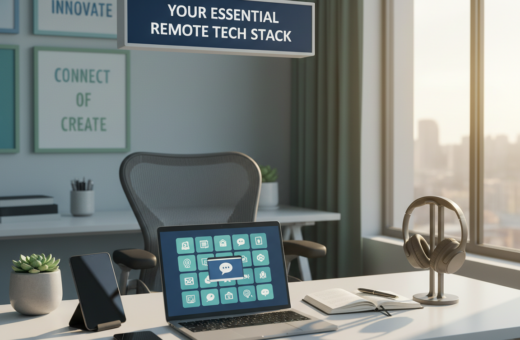
Essential tools and tech for reliable remote work
Use tools for managing tasks, talking, and storing files. Trello or Asana for tasks, Slack and Zoom for chats, and Google Drive or Dropbox for files.
Bring a light laptop, good headphones, a battery pack, and an adapter. Carry a MiFi or local SIM for data. Use a VPN and backups for safety.
Managing clients, time zones, and expectations
Be clear about your hours in messages and emails. Use Calendly for meetings. Group client calls to avoid odd hours.
Write down how you work when you can’t meet live. Price projects based on how fast you work. This helps manage time zones well.
| Category | Recommended Tools / Gear | Why it matters |
|---|---|---|
| Task & Project Management | Trello, Asana | Keeps tasks visible and deadlines clear for you and clients. |
| Communication | Slack, Zoom, Calendly | Speeds up decisions and avoids endless email threads. |
| Storage & Backup | Google Drive, Dropbox, encrypted backups | Ensures files are available and recoverable anywhere. |
| Connectivity | MiFi, local SIM cards, speed test apps | Reliable internet prevents last‑minute firefights with clients. |
| Security | VPN, password manager like 1Password | Protects data and client privacy on public networks. |
| Hardware | Lightweight laptop, noise‑canceling headphones, power bank | Reduces downtime and keeps you productive across locations. |
Building community and sustaining wellbeing while traveling
Moving around can feel both free and lonely. You can build a strong support network to keep you happy and productive. Use social tools to find groups, set routines, and volunteer to make real connections.
Finding and contributing to local communities
Instagram is great for finding meetups and events. Look for hashtags of the city you’re visiting. Join online forums like Reddit or Facebook groups for more info.
When you get there, go to workshops and coworking spaces. Share your skills or host a session. Volunteering helps you feel part of the community.
Overcoming isolation and maintaining relationships
Make video calls with loved ones to stay connected. Set aside time for socializing to avoid work taking over. Choose shared living spaces to fight loneliness.
Look for coworking opportunities abroad. Invite people for coffee or to work together. Small steps can prevent loneliness and grow your network.
Mental and physical self-care on the road
Keep a daily routine with work, sleep, and exercise times. Use local gyms or yoga to stay active. These habits help you stay productive.
Set boundaries and use mindfulness apps for stress. Keep important contacts and insurance info ready. Online counseling can help with mental health.
Balance work with exploring new places. Focus on what makes you happy. Let joy and contentment be as important as money.
Conclusion
Remote work and travel can go hand in hand with good planning. Start by focusing on connectivity, visas, and living costs. This keeps your workdays productive.
Use Instagram and other social media to find inspiration. Look for tips on local coworking spaces and events.
Follow practical tips for digital nomads. Set routines, invest in good tech, and know the time zones for work. Join local meetups and online groups to fight loneliness and boost creativity.
Small habits like exercise, sleep, and a task list make travel easier. These habits help you stay on track.
This summary encourages you to be thoughtful in your nomad life. Don’t follow every trend. Instead, plan your travel and work to make you happy and productive.
Think of this as a chance to research, set limits, and focus on your wellbeing. Explore new places while keeping your work and travel balanced.


 English