
Anúncios
Can one simple change to your weekly routine boost hybrid productivity and restore real work-life harmony?
You’re caught between two worlds. You want the calm of home and the buzz of the office. Finding the right balance means knowing when to work from home and when to go to the office. It’s about protecting your time so work doesn’t take over your life.
This guide uses real-life examples from Instagram and company feeds. It also draws from experts like Jacob Antunez, who helps you choose between hybrid and memory foam mattresses.
You’ll get tips to make your hybrid lifestyle better. It will improve your productivity, keep work and life in balance, and let you try things out in person.
Anúncios
Understanding Hybrid Work and Lifestyle Trends
More people are sharing their work days on Instagram. These posts show how work and life are blending. They talk about flexible hours, co-working, and saving time on travel.
Companies and recruiters are listing hybrid jobs on Instagram and LinkedIn. These posts show how work is changing. Look at these posts to understand a company’s culture and policies.
Anúncios
When choosing a job, think like a smart shopper. Look at what the company offers, your home office, and if the routine works for you. This helps you see if hybrid work is right for you.
Hybrid work has its perks. You get more freedom, focus at home, and teamwork in the office. Use these benefits to plan your work days wisely.
But, there are downsides to hybrid work. Unpredictable routines and work-life balance issues are common. Don’t follow trends blindly. Use Instagram posts as inspiration, not a rulebook.
Pay attention to what your colleagues and employer share. Compare their posts to your needs and schedule. This way, you can create a work-life mix that really works for you.
Finding the Ideal Hybrid Balance
You can shape work and life around real needs. Start with a clear way to define hybrid balance that reflects what matters to you. Some people value deep focus, others need face time for mentorship, and caregivers prioritize predictable hours.
Defining what balance means for you
Look at platforms like Instagram for inspiration. Professionals and companies share their routines. Note if they set fixed office days or use flexibility based on outcomes. List what you value: uninterrupted blocks for deep work, collaboration windows, commute tolerance, and family time.
Mapping responsibilities and nonnegotiables
Create a simple matrix of your hybrid responsibilities and daily needs. Put team meetings, client calls, deep work, and caregiving in rows. In columns, mark which location—office, home, or third place—best supports each task. This visual helps you build a personal hybrid strategy you can follow.
Using data and feedback to refine balance
Track signals that matter: task completion rates, meeting outcomes, energy levels across the week. Ask teammates or family for short feedback notes after trial weeks. Use monthly or quarterly reviews to refine hybrid routine based on what the numbers and people tell you.
Try short tests before committing. Book a week of focused office days, then a week of remote work. Compare results like a shopper tests mattresses at Casper or Saatva. Keep tweaking your personal hybrid strategy until your schedule fits both work goals and life demands.
Designing a Hybrid Schedule That Boosts Productivity
You can create a hybrid schedule that suits your work and life. Start by placing team tasks where teamwork is best. Then, put deep work where it’s quiet. This way, you boost productivity and reduce stress.
Use office days for brainstorming and teamwork. Home days are for writing and solving problems alone. This setup makes your days more focused and meaningful.
Align work types with locations
Make a list of your tasks and decide where they’re best done. Meetings and teamwork are better in the office. Writing and analysis are better at home. This helps you work better and saves time.
Time-blocking and ritual creation
Use time blocking for steady work. Set aside 60–90 minutes for deep work and keep it free from meetings. Use colors on your calendar to keep everyone on track. Time blocking helps you stay on target.
Start small rituals to mark the start of your workday. Try a short walk, a desk setup, or a focus-inducing playlist. These rituals help your brain get ready to work faster.
Tools and tech to support hybrid productivity
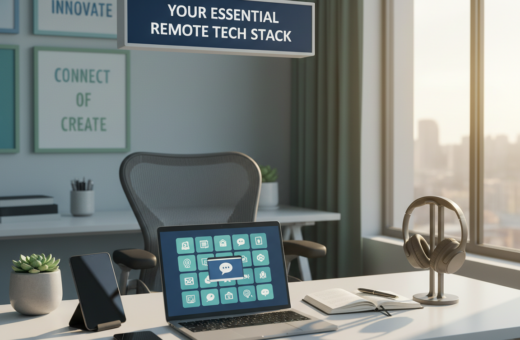
Choose tools that help everyone stay connected. Google Workspace and Microsoft 365 are great for documents and emails. Slack, Threads, Asana, and Trello are good for teamwork and tasks. Use calendar sharing and VPNs when needed.
Invest in good headphones and mobile apps. Use Instagram for ideas on time-blocking and morning routines. These tech choices make working from home feel smooth.
| Need | Best for Office | Best for Home | Recommended Tools |
|---|---|---|---|
| Collaboration | Brainstorm sessions, whiteboard planning | Document review post-meeting | Google Workspace, Microsoft 365, whiteboard apps |
| Deep work | Quiet focus rooms | Uninterrupted blocks for writing and analysis | Calendar blocking, Pomodoro timers, noise-canceling headphones |
| Task tracking | Team stand-ups, status displays | Personal backlog grooming | Asana, Trello, Slack |
| Communication | Face-to-face alignment | Asynchronous updates and handoffs | Slack, Threads, shared docs |
| Inspiration | Show-and-tell sessions | Micro-learning from Instagram demos | Instagram, short-form video apps, mobile note apps |
Creating Physical Spaces That Complement Hybrid Life
You can make places for deep work and quick recovery. A good home workspace and office design reduce daily stress. Start by listing tasks for home and office to match spaces to needs.
Optimizing your home workspace
Choose a comfy chair and desk at the right height for good posture. Office ergonomics is key, not colors. Place your monitor at eye level and keep things you use often within reach.
Use different lights: a bright one for work and a warm lamp for calls. A small fan or open window keeps you alert. Try out chairs and monitor stands, then adjust until it feels right for you.
Making the office work for you
Find quiet spots, focus rooms, and places for teamwork. Talk to facilities about adjustable desks and other ergonomic tools for your team.
Book shared spaces for focus and bring home comforts. Use office design to create clear patterns for work and brainstorming.
Travel and transit considerations
Plan your commute to avoid crowds and stress. Use transit time for light tasks, reading, or podcasts to save focus for work.
Visit showrooms or co-working spaces for product tests or quiet spots. Places like Mattress on Demand in Richmond, TX, help you choose better furniture for comfort and sleep.
Below is a clear comparison to help you decide where to do different activities and what to bring with you.
| Activity | Best Location | Key Setup Items | Why it helps |
|---|---|---|---|
| Deep focused work | Quiet office room or quiet home corner | Ergonomic chair, monitor riser, noise-cancelling headphones | Reduces interruptions and supports sustained concentration |
| Video meetings | Bright, uncluttered office nook or well-lit home area | Soft front light, stable webcam height, tidy background | Improves presence and reduces visual strain |
| Collaborative sessions | Office collaboration hub or booked meeting room | Whiteboard, movable seating, strong Wi‑Fi | Encourages interaction and faster decision-making |
| Low-cognitive commute tasks | Train, bus, or walking route | Podcast, reading list, transit schedule app | Makes transit time productive without draining energy |
| Equipment testing | Local showroom or co-working space | Seat trial, adjustable desk demo, lighting checks | Helps you confidently choose items that improve your home office |
Maintaining Well-being and Work-Life Harmony
Hybrid work can boost productivity but also mix work and life too much. You need habits that keep your energy, sleep, and social life strong. Simple routines help keep your work and life in balance.
Boundaries and communication
Make sure your team knows when you’re available. Tell your boss when you’re not working for family or health reasons. Use your calendar and a quick message to show your work hours.
Try a “do not disturb” sign for deep work. Share polite ways to say no to meetings in Slack or email. This helps you focus without being seen as rude.
Sleep, recovery, and daily routines
Keep your wake and sleep times the same, even on different days. Experts say choosing the right mattress, controlling light, and a calm bedtime routine help you recover. Start your day with a routine that gets you ready to work and end it with one that signals it’s time to rest.
Take days off after busy weeks. Short naps, gentle exercise, and less screen time before bed improve your day. These habits link sleep and work to better energy and thinking.
Mental health and social connection
Balance alone time at home with days at the office for team bonding. Use office time for quick chats and team work that strengthens your social ties. Regular social activities build trust and prevent feeling alone.
Follow therapists and productivity experts on Instagram for tips and habits. If stress gets too much, get help early. Small, consistent steps keep your mental health strong and your hybrid work life balanced.
Measuring Success and Iterating Your Hybrid Approach
Start by tracking a few numbers and stories that show how your hybrid plan works. Use quick social checks and internal logs for speed and accuracy. Instagram polls and Q&A show short-term wins. Your task tracker and calendar give the data you need.

Key metrics to track
Choose metrics for output, time, and wellbeing. For output, count tasks closed and quality scores. For time, log focus, meeting, and commute hours. For wellbeing, note sleep and stress levels.
Jacob Antunez’s pros/cons approach helps document each metric. It makes clear choices.
Collecting qualitative feedback
Run short surveys with teammates for hybrid feedback. Have one-on-one talks to check collaboration quality. Ask family about your schedule’s impact on home routines.
Combine these stories with your metrics. This way, you understand the context, not just numbers.
Creating a repeatable review cadence
Have monthly check-ins for personal metrics and quarterly reviews for big schedule changes. Use A/B tests on week formats to see what works better. When a change works, record it and repeat to refine your hybrid schedule.
The loop of data, feedback, and experiments helps you succeed and stay adaptable. Keep tracked items small, review often, and let evidence guide your changes.
Practical Examples and Local Resources
Use real-life stories and nearby options to shape your hybrid plan. Look for short case studies that match your job and family rhythms. Scan Instagram posts and reels for quick, relatable hybrid routine examples you can try next week.
Case studies of hybrid routines
Read a simple parent routine: deep work at home from 6–9 a.m., school drop-off, then client meetings at the office in the afternoon. Track time blocks for focused tasks and meetings to see what sticks.
Consider a designer’s model: remote days for concentrated sprints and scheduled office days for critiques and team reviews. You can adapt these hybrid routine examples to fit your peak energy windows.
Local businesses and showrooms for hands-on decisions
Visit nearby co-working spaces and ergonomic retailers to try desks, chairs, and layouts before buying. Mattress on Demand in Richmond, TX, demonstrates the value of testing items in person.
Search for local hybrid resources like coworking hubs, office supply showrooms, and ergonomic stores. Trying setups in person helps you choose gear that supports your routines and reduces returns.
Using social platforms for inspiration and community
Follow productivity influencers, local co-working pages, and ergonomic brands on Instagram for real-time ideas. Use Instagram hybrid inspiration to collect screenshots, save reels, and build a swipe file of tactics that match your life.
Join local groups and comment on posts to get region-specific tips. Combine what you find online with visits to hybrid showrooms to confirm what works in your actual daily flow.
Conclusion
This summary helps you find balance in your life. First, decide what balance means to you. Then, weigh the good and bad of different setups.
Try out options in person if you can. Follow creators on Instagram for quick tips and habits to try.
Follow the last tips for balance. Make a schedule that fits your work and location. Set up a space that helps you focus.
Start simple rituals to keep your focus. Track important metrics and ask for feedback from others. This will show you what works best.
To make hybrid balance work, think of it like a product. Keep trying new things, test them out, and improve based on what you learn. This way, you can make your hybrid life better and easier.


 English